· Buying
Surveys and sea trials: what they tell you
An accepted offer is normally subject to survey and sea trial. Together they are the buyer's opportunity to confirm that the yacht is what the listing describes, before the purchase becomes final.
The survey
A pre-purchase survey is carried out by a marine surveyor chosen by the buyer. On larger yachts, separate specialists usually inspect different parts of the yacht:
- Hull and structure, often with the yacht hauled out, to examine the bottom, running gear and any signs of damage or repair.
- Machinery, including engines, generators and their maintenance history, often with fluid analysis.
- Systems, from electrical and electronics to plumbing, air conditioning and safety equipment.
Each report lists findings, usually ranked by significance. Few yachts produce a report without findings; what matters is their nature and cost.
The sea trial
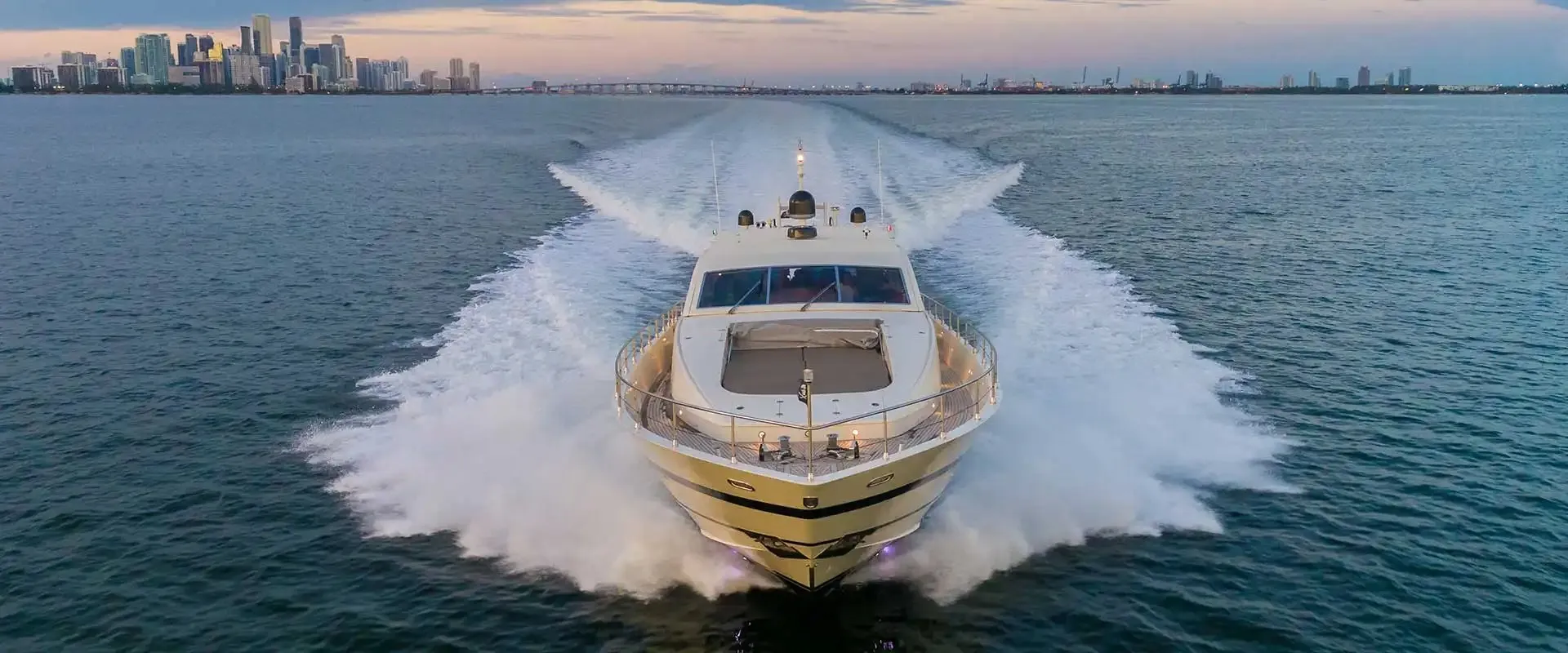
The sea trial tests the yacht under way. Performance, handling, vibration and temperatures are checked at the speeds and loads the owner expects to use, and systems are run as they would be on a normal day aboard.
It is also the first time many buyers experience the yacht at sea. Noise levels, motion and the way the spaces work under way often say as much about suitability as the technical results.
After the findings
Findings are usually resolved in one of three ways: the seller repairs them before closing, the price is adjusted to reflect them, or, if they are significant enough, the buyer withdraws within the terms of the agreement.
The important point is timing. Survey and sea trial findings should inform the final terms. Deadlines in the purchase agreement leave limited time, so surveys are best scheduled as soon as an offer is accepted.